Porto was the beginning before the beginning: a few days to acclimate, learn, taste, and settle into Portugal before we traveled north to Vigo to walk the Camino.
My favorite way to experience it is not as a checklist, but as a layered introduction—to the history and culture of the city, the river that shaped it, the port lodges across the Douro, and the people whose enthusiasm makes a place come alive.
This is the Porto itinerary I would happily share with a friend.
A useful distinction
Porto on one side.
Gaia on the other.
Porto rises along the north bank of the Douro. Across the river is Vila Nova de Gaia, home to many of the historic port warehouses—and to the World of Wine, the Tivoli Kopke hotel, and some of the finest views back toward Porto.
Staying in Gaia gives the visit a lovely rhythm: spend the day crossing through history, food, wine, and neighborhoods, then return across the river as the city begins to glow.
The hills are real. So are the rewards at the top.
Where I would stay
Tivoli Kopke Porto Gaia
Tivoli Kopke makes a particularly appealing base for this itinerary. It places you on the Gaia side, close to the port-wine story and within reach of the World of Wine, while giving you a quiet retreat from the bustle of the riverfront.
The hotel is gorgeous in its own right. The rooms are spacious, quiet, and deeply comfortable, with excellent views and the sort of luxurious pillows—and pillow menu—that make returning at the end of a long day feel like part of the experience. The art and sculpture collection is fabulous, too: not simply decoration, but another reason to slow down and look around.
The service was impeccable. Diogo, especially, brought the kind of warmth and thoughtful attention that can shape an entire stay.
The Kopke name also carries genuine history. Established in 1638, Kopke is recognized as the oldest Port wine house—a remarkable thread connecting the hotel to the centuries-old wine story of Vila Nova de Gaia.
Drop your things, resist the urge to over-plan the first day, and begin by walking downhill toward WOW. A proper introduction to Porto can start with museums, tastings, a beautiful view, and something delicious to eat.
Arrive curious. Let the city explain itself one layer at a time.
Day one
Begin with the world of wine.
If you arrive early, leave your bags at Kopke and walk down toward the World of Wine. The district brings together experiences devoted to wine, port, chocolate, and rosé, along with restaurants and broad views across the river.
Give yourself permission to stay until you have learned, tasted, and eaten as much as you comfortably can. Then either return for a restorative nap or simply make it an early night.
The point of the first day is not endurance. It is orientation—and delight.
Explore WOWDay two
Two guides.
Two ways into the city.
Walk with Leonor Tito.
Leonor brings history, culture, and food together with warmth and beautiful English. A morning walking—and perhaps tasting—tour is the ideal way to understand what you are seeing rather than simply passing through it.
I would begin around 9 a.m. and finish near Mercado do Bolhão, then have lunch, wander the stalls, and shop for a while.
Meet LeonorRide with Francisco.
In the afternoon, Francisco can continue the education by tuk-tuk—toward the ocean, the Crystal Palace gardens and lookout, the Jewish quarter, and places your feet may be grateful not to climb again.
He is knowledgeable, enthusiastic, and fun. Ask to end on the Gaia side in time for sunset near the monastery and Jardim do Morro.
Find Francisco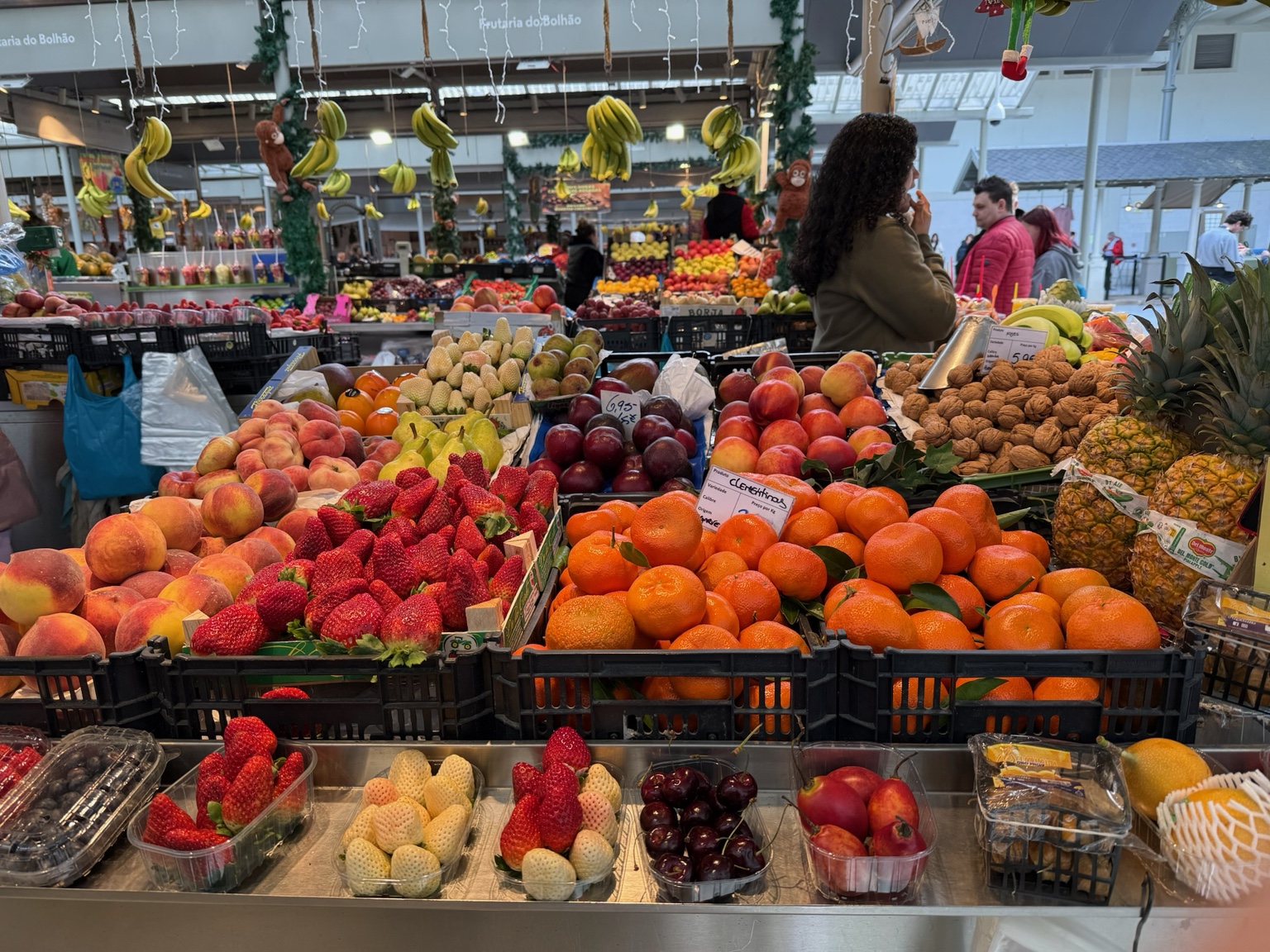
An afternoon in the market
Come hungry—and remain curious.
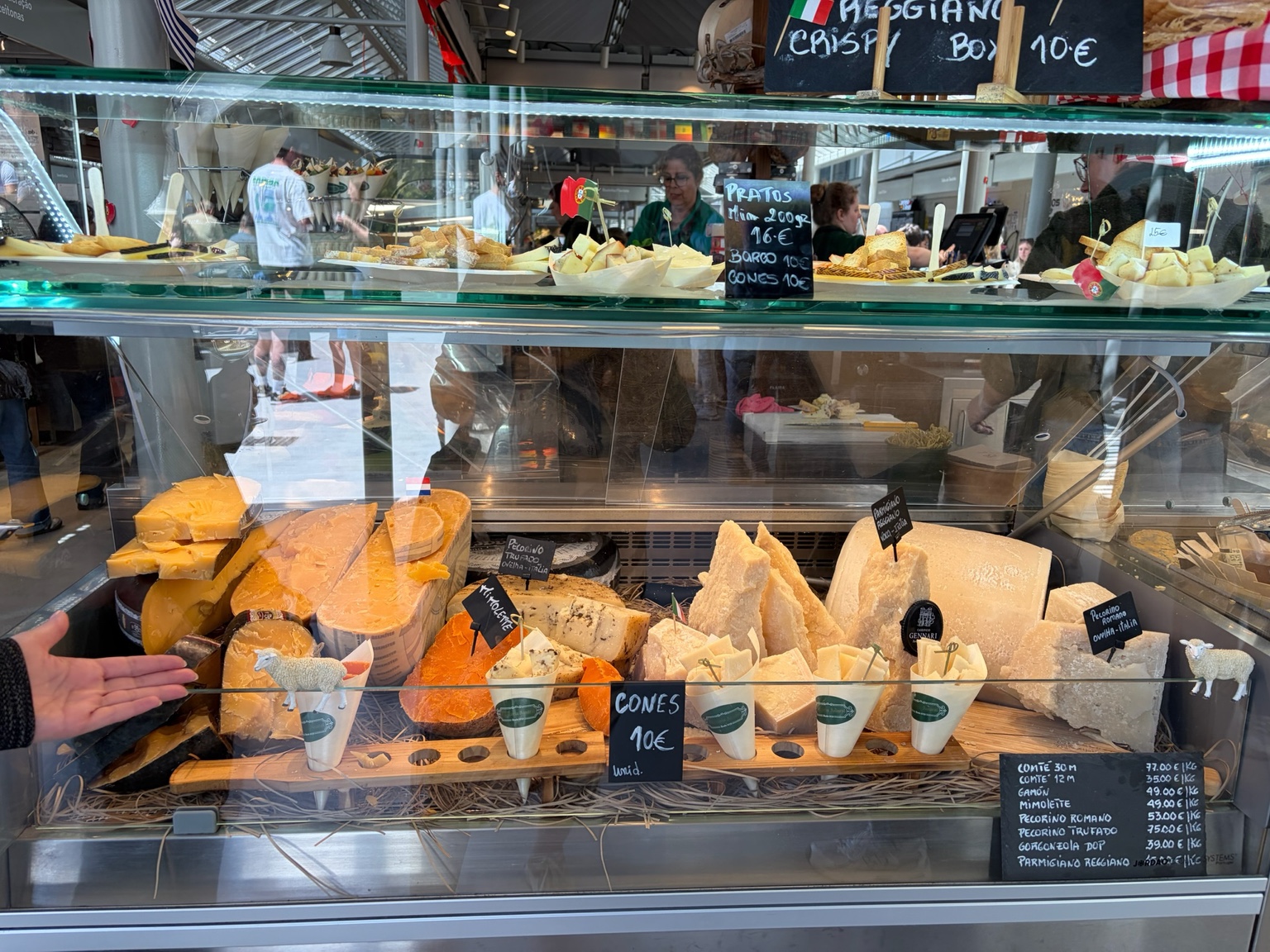
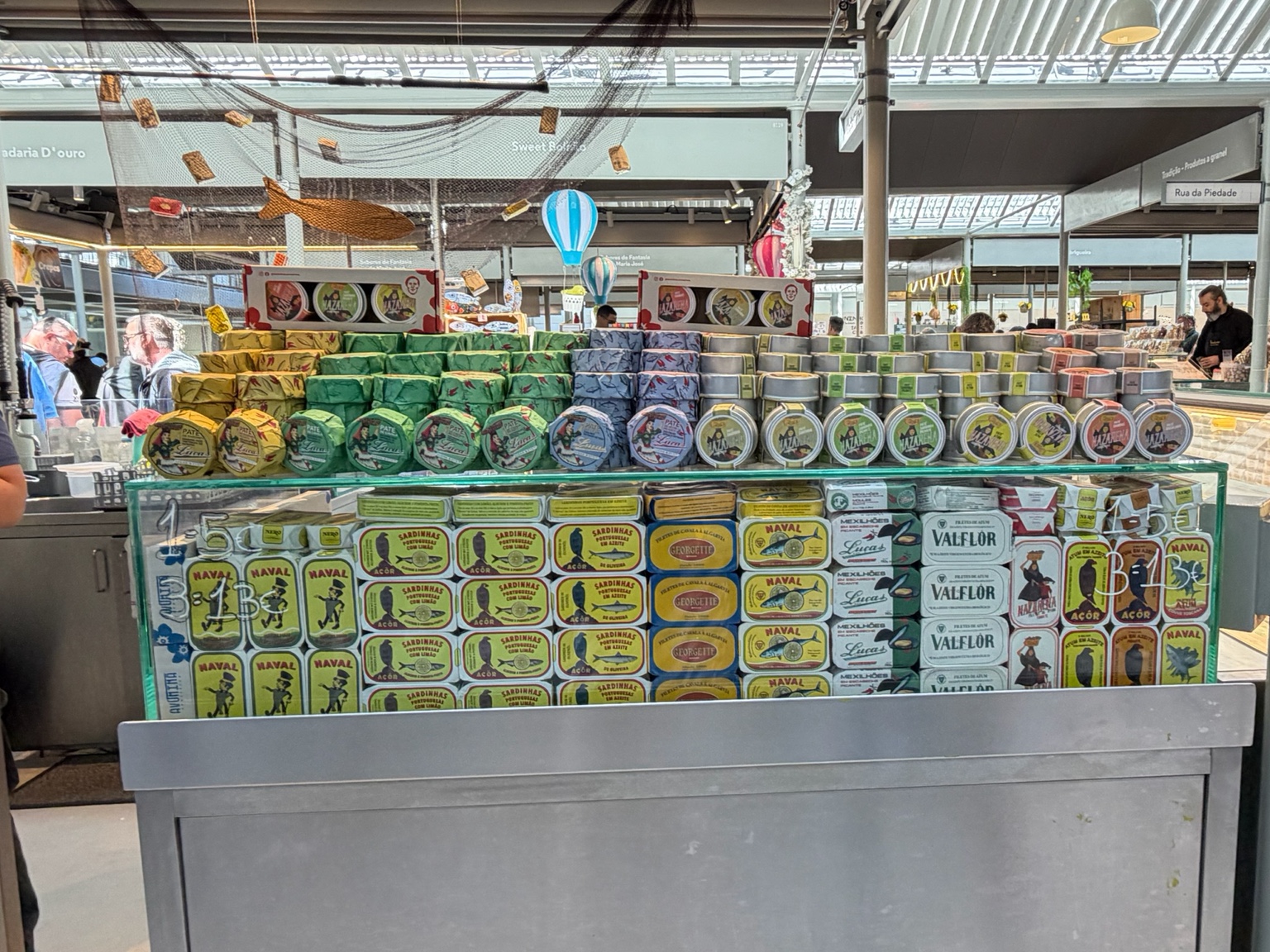
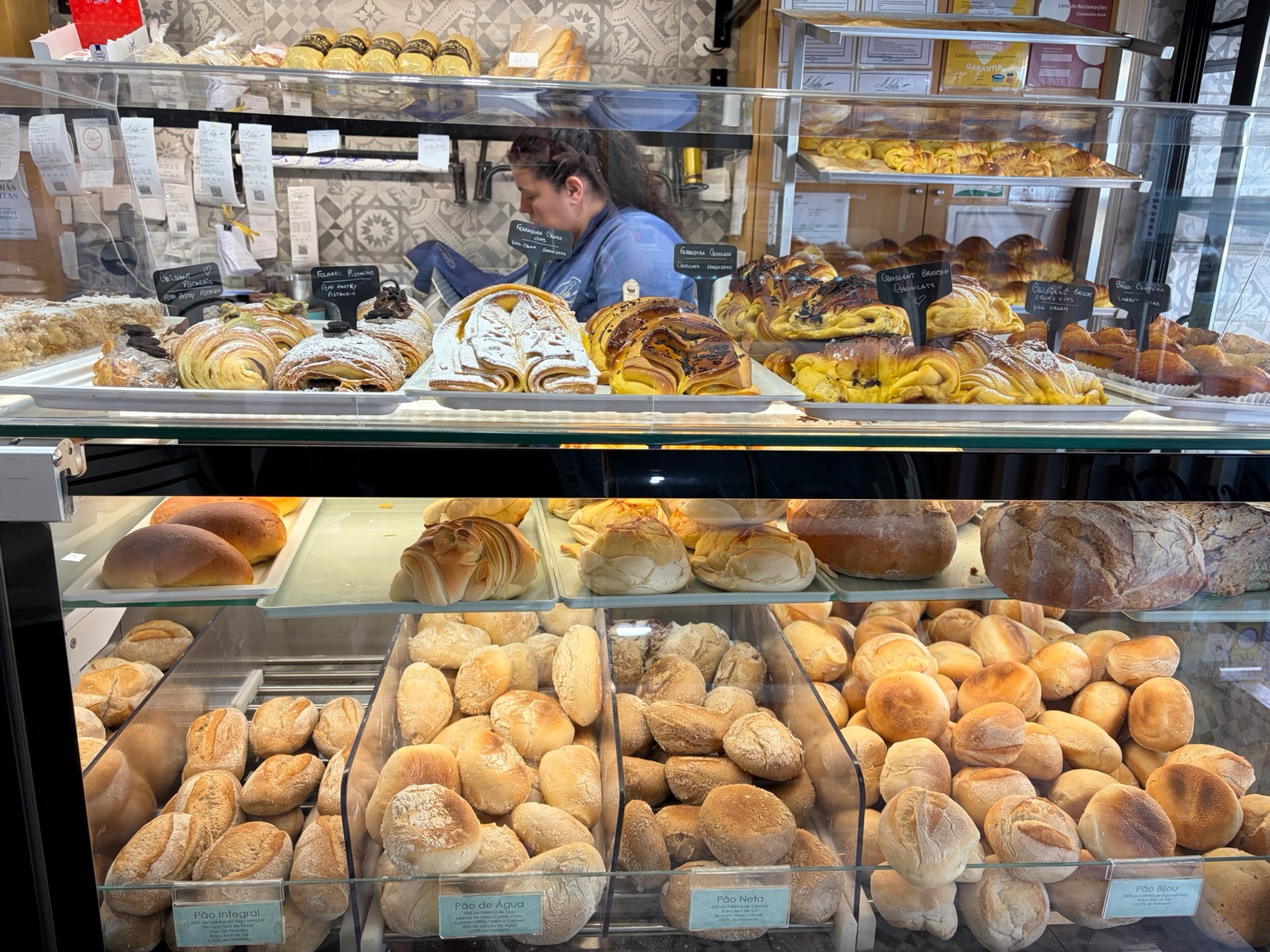
Mercado do Bolhão rewards wandering. Fruit piled in brilliant color, cheeses, conservas, pastries, wine, flowers, and the hum of people deciding what looks best today.
Do not treat the market as merely a stop between attractions. Eat lunch. Taste something unfamiliar. Buy a small edible souvenir. Let this be part of how you understand Porto.
The golden hour
End where the city glows.
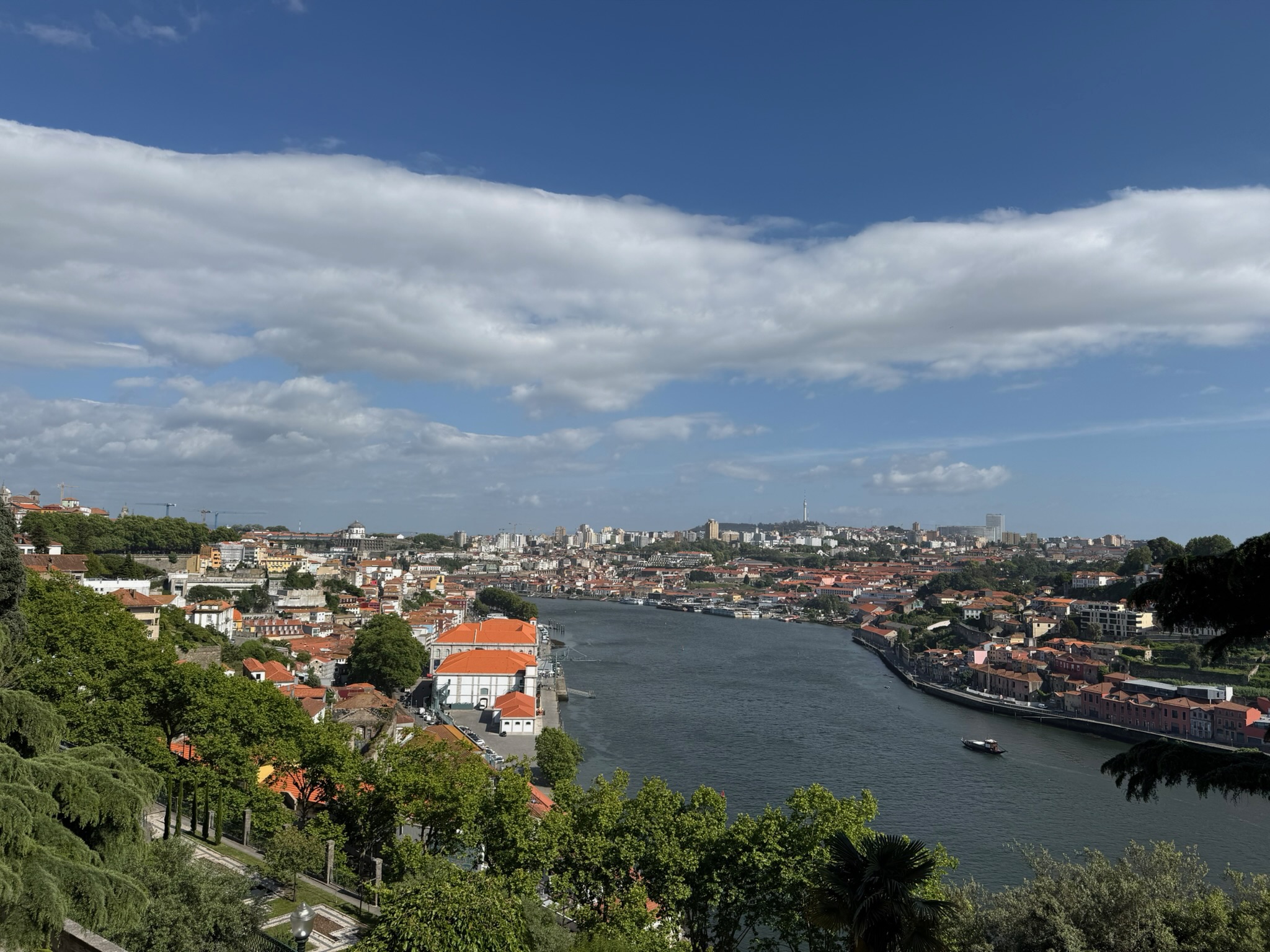
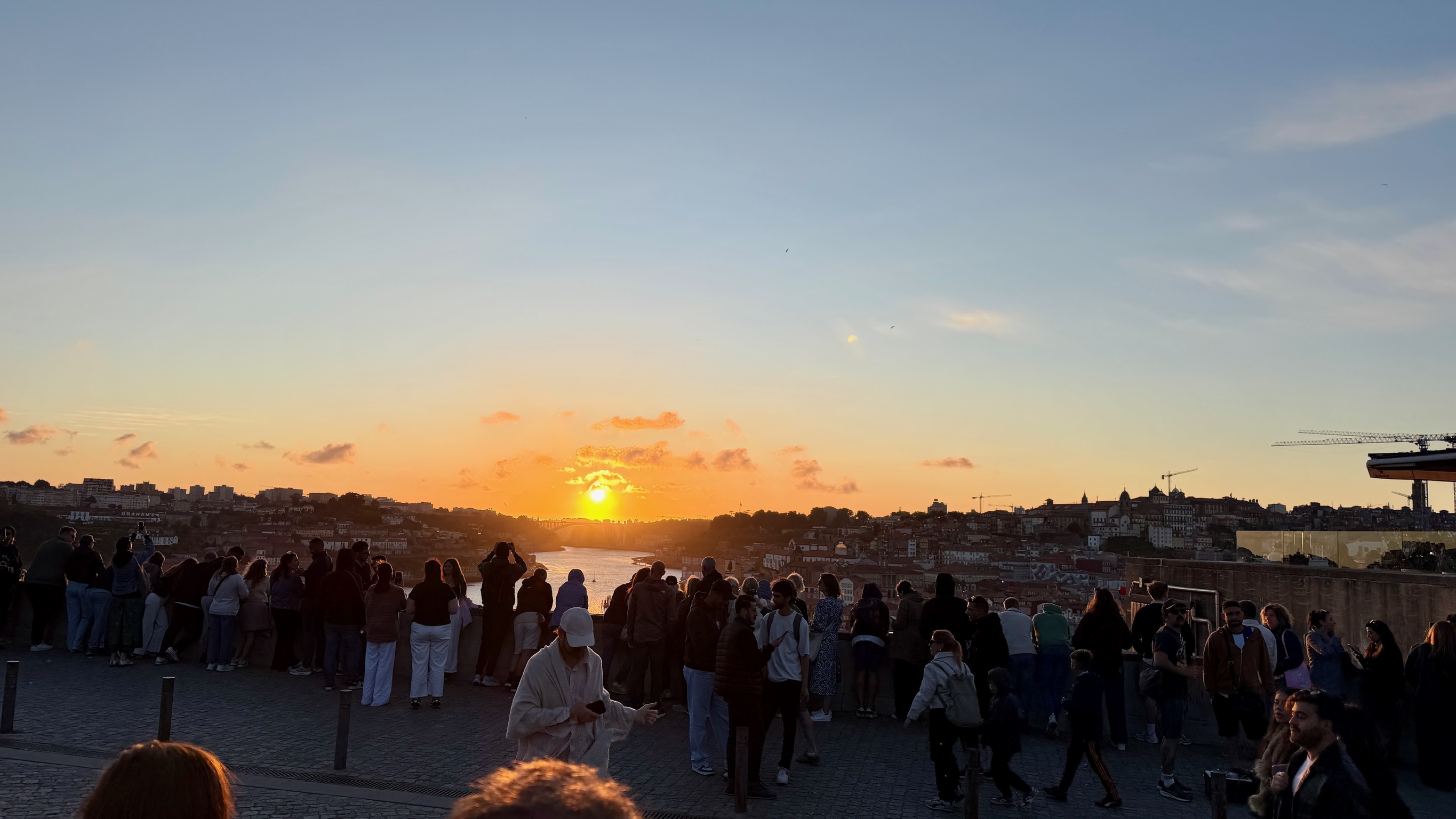
After the tuk-tuk tour, gather wine and a few snacks and make your way toward Jardim do Morro and the monastery overlook in Gaia.
From the top of the hill, the Douro divides and connects everything at once: Porto, Gaia, the bridges, the port lodges, and the tiled city climbing away from the water.
Stay for sunset. This is not the moment to rush to the next reservation.
Day three
Choose the pace
that suits you.
Spend the morning tasting at one of the historic port houses—Graham’s is a memorable choice—or devote the day to the Douro with a river cruise.
Later, seek out the Atlantic again with dinner by the sea. Porto is inseparable from the river, but its story reaches all the way to the ocean.
If you have more time, add Livraria Lello, the museums, the Time Out Market, the gardens of the Crystal Palace, and an evening of fado.
Keep in the notebook
Places to seek out
- StayTivoli Kopke Porto Gaia
- LearnWorld of Wine experiences
- TasteGraham’s Port
- BrowseMercado do Bolhão · Livraria Lello
- Look outJardim do Morro · Crystal Palace gardens
Tables and evenings
Worth considering
- DineBota & Bira
- DineGruta
- ExploreTime Out Market
- ListenAn evening of fado
- FinishDinner beside the sea
Porto gave us more than a place to recover from jet lag. It opened the conversation that would continue throughout the Camino—between landscape and history, food and wine, curiosity and connection.
A city becomes memorable when someone helps you understand what you are seeing—and gives you enough room to discover something for yourself.
Then we traveled north to Vigo, and another journey began.
Continue to Galicia